Onshore/Offshore Rig Safety
Course overview
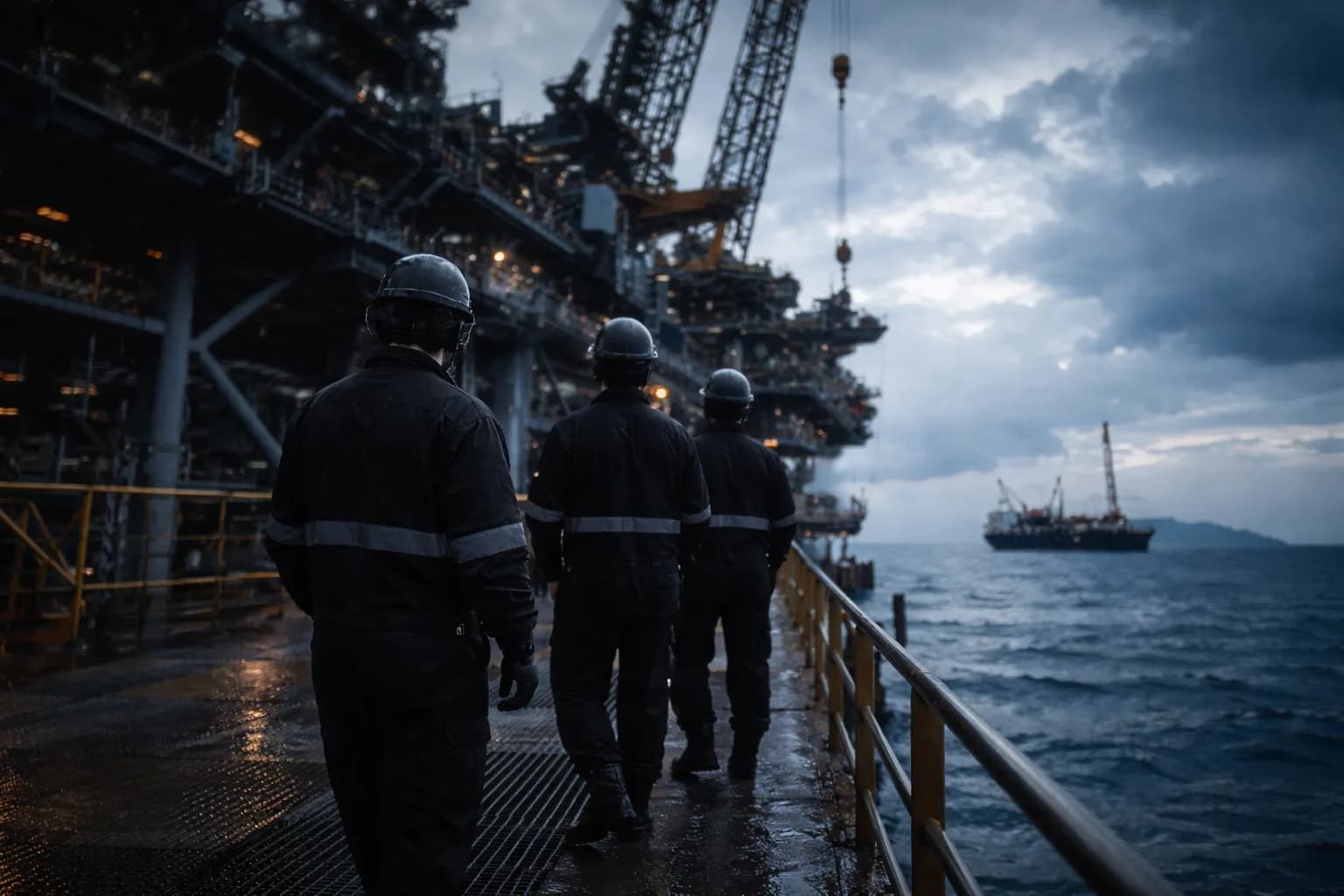
Working on oil and gas rigs is both challenging and demanding. Whether onshore or offshore, these environments are among the most hazardous workplaces in the energy, marine, and industrial sectors. From heavy machinery to elevated platforms, confined spaces, and volatile materials, rig personnel face a range of risks every day. The Onshore and Offshore Rig Safety Training is designed to equip participants with the knowledge, practical skills, and awareness needed to navigate these high-risk environments safely while meeting industry safety standards and regulatory requirements.
The training recognizes the real-world dangers that rig workers encounter. Fires, explosions, falling objects, slips and falls, machinery accidents, and confined space hazards are not abstract concerns. They are daily realities that require constant vigilance, technical understanding, and disciplined safety practices. Without proper preparation, even experienced personnel are vulnerable to serious injuries, environmental damage, operational disruptions, and costly legal liabilities. This course is structured to prevent such outcomes by instilling a culture of safety and providing practical tools that workers can apply immediately.
Participants begin by learning to identify hazards before they become incidents. The course covers a wide spectrum of potential risks and teaches strategies to mitigate them. From recognizing unsafe conditions to understanding equipment limitations, participants gain insight into proactive risk management. They learn how to implement safety measures that protect themselves, their colleagues, and the rig infrastructure. The program emphasizes the connection between safety practices and operational efficiency.
A central component of the training is emergency preparedness. Participants explore scenarios such as fires, chemical leaks, equipment failures, and medical emergencies, and they learn how to respond calmly and effectively. Through practical demonstrations and real-life case studies, attendees practice evacuation procedures, emergency communications, and the proper use of personal protective equipment. This hands-on approach ensures that theoretical knowledge is reinforced with experience, making participants more confident and capable in the face of unexpected situations.
The course also highlights the importance of a safety culture within rig operations. Safety is not the responsibility of a single person; it is a collective commitment. Participants are encouraged to lead by example, communicate hazards clearly, and support team members in following best practices. By fostering awareness and accountability at all levels, the training helps create a work environment where risks are managed proactively, incidents are minimized, and everyone feels responsible for maintaining a safe and productive workplace.
In addition to practical skills, the program covers compliance with industry regulations and best practices. Participants learn how to align their daily operations with local, national, and international safety standards, ensuring that rig activities meet regulatory requirements and industry benchmarks. Understanding these standards is essential not only for legal compliance but also for building trust with clients, regulators, and stakeholders.
By the end of the training, participants leave with a comprehensive understanding of rig safety, emergency response, hazard identification, and risk management. They are equipped to work confidently on onshore and offshore rigs, make informed decisions under pressure, and contribute to a culture where safety and operational excellence go hand in hand.
In industries where the margin for error is small and the consequences of accidents are severe, proper safety training is not optional. DESLOG Training & Consulting’s Onshore and Offshore Rig Safety Training bridges the gap between knowledge and practice, preparing participants to protect lives, assets, and the environment while maintaining efficiency and professionalism in high-risk rig operations.
Who should attend
This course is ideal for:
- Rig operators and assistants (onshore and offshore)
- Drilling and production personnel
- HSE officers and supervisors
- Maintenance and technical staff
- Offshore platform crew members
- Oil & gas engineers
- Safety coordinators and auditors
- Contractors and subcontractors working on rigs
- Anyone responsible for rig safety or operations
Course objectives
At the end of this training, participants will be able to:
- Identify hazards specific to onshore and offshore rigs
- Apply safe operational procedures and best practices on rigs
- Use PPE correctly and understand its limitations
- Conduct risk assessments and hazard analysis for rig activities
- Respond effectively to rig emergencies, including fire, spills, and evacuations
- Implement safe lifting, rigging, and working-at-height procedures
- Promote a safety culture among rig personnel
- Ensure compliance with regulatory and company safety standards
Course outline
- Introduction to Rig Safety
- Hazard Identification & Risk Assessment
- Personal Protective Equipment (PPE)
- Safe Operations on Rigs
- Emergency Preparedness and Response
- Safe Lifting & Rigging Practices
- Incident Investigation and Reporting
- Safety Culture and Behavioral Safety
- Practical Exercises
Benefits
Participants and organizations will gain:
- Enhanced safety awareness and risk management skills
- Reduced likelihood of rig incidents and injuries
- Compliance with regulatory and industry safety standards
- Improved operational efficiency and reduced downtime
- Stronger safety culture and proactive safety behavior
- Practical tools for daily rig operations and hazard mitigation
- Professional certification to support career development
Frequently asked questions
What is Onshore/Offshore Rig Safety training?
It is a safety-focused training program designed to equip rig personnel with the knowledge and skills to work safely on rigs, prevent incidents, and respond effectively to emergencies.
Who should attend this course?
Rig operators, offshore platform crew, HSE officers, engineers, maintenance personnel, and anyone involved in rig operations.
Do I need prior rig experience?
Basic understanding of rig operations is helpful, but the course is suitable for both beginners and experienced personnel.
Which industries benefit most?
Industries such as oil & gas, energy, marine operations, and construction benefit greatly
How can I register?
You can register through the DESLOG Training & Consulting website or contact our training team for course schedules and enrollment details.
All our courses can run on a customised schedule
Regardless of the dates shown, we can arrange this training for your team at a time and location that suits you.